
Best Shrines in Tokyo: Top 12 Japanese Shrines for First-Time Visitors (2026)
Tokyo may be famous for its neon skyline, but hidden throughout the city are dozens of ancient Shinto shrines offering peaceful escapes and cultural insights. This guide covers the top 12 shrines every first-time visitor should experience.
1. Meiji Shrine (明治神宮) - Harajuku
Best For: Forest walks, traditional weddings, peaceful atmosphere
Access: JR Harajuku Station (1 min walk)
📸 Photo Spot: The massive Sake Barrel wall near the entrance.
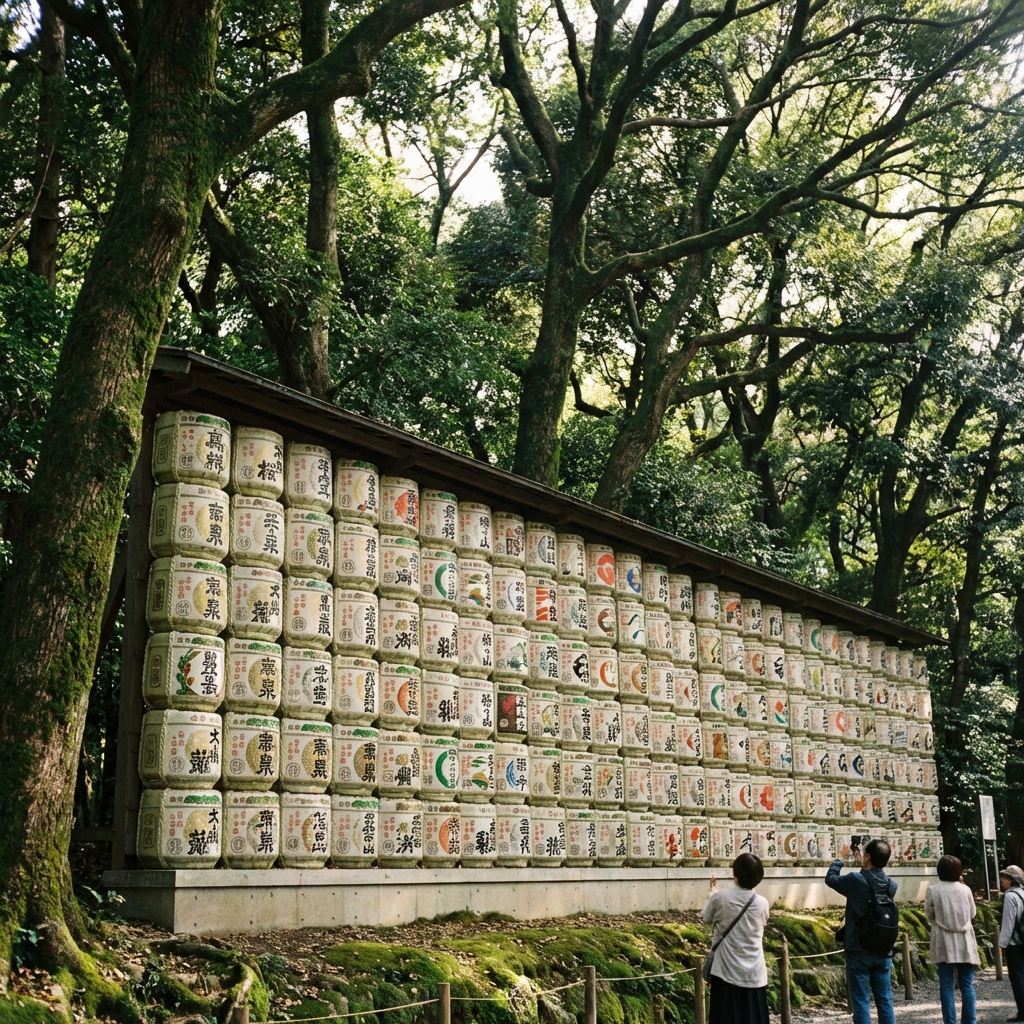
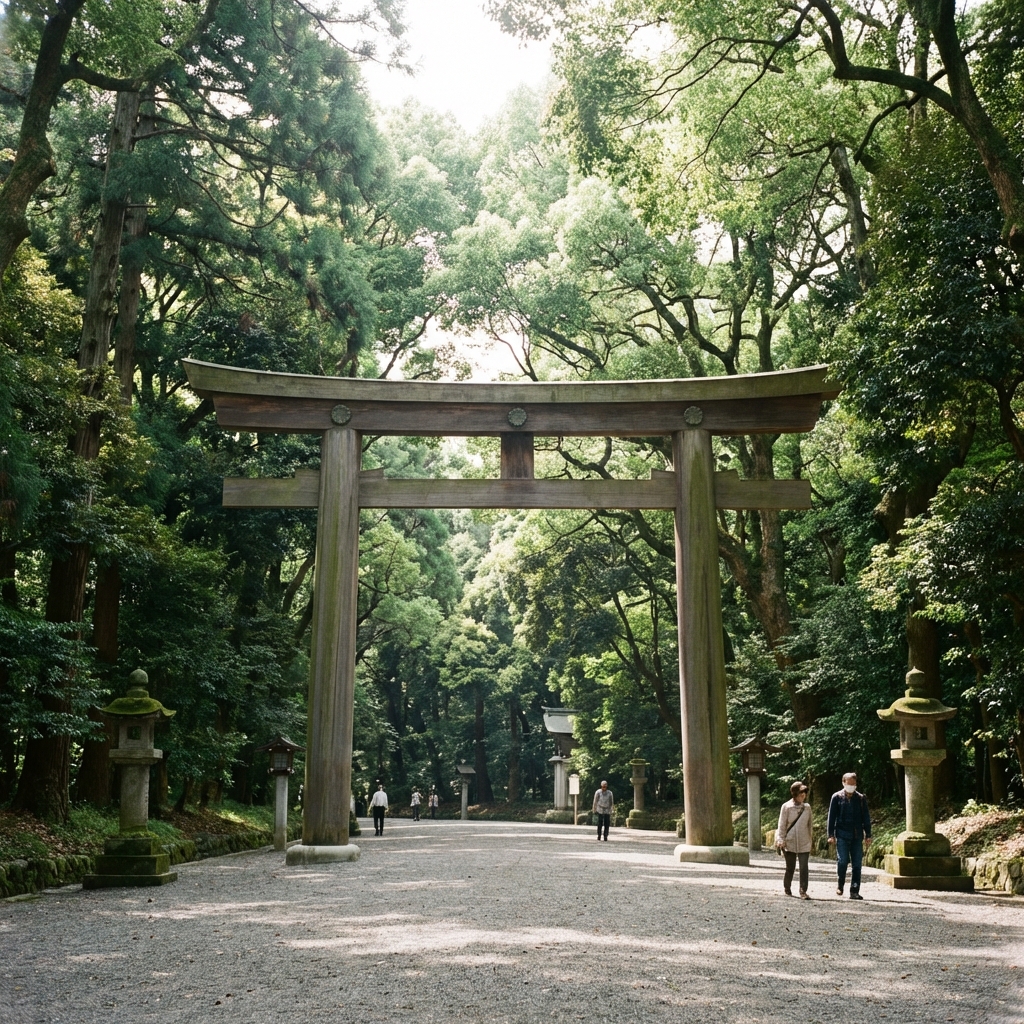
Tokyo's most famous shrine sits within a 170-acre man-made forest. Dedicated to Emperor Meiji, it's essential for understanding Japan's Shinto heritage. Don't miss the massive wooden torii gate and sake barrel displays.
Read our complete Meiji Shrine Guide →
Atago Shrine (愛宕神社) - Minato
Best For: Career success, steep stairs challenge
Access: Kamiyacho Station (5 min walk)
Famous for its "Stone Steps of Success" (Shusse no Ishidan). Legend says a samurai rode his horse up these steep stairs to deliver plum blossoms to the Shogun. Today, salarymen climb them to pray for promotion.
2. Nezu Shrine (根津神社) - Bunkyo
Best For: Azalea flowers, vermillion mini-torii tunnel, photography
Access: Nezu Station or Sendagi Station (5 min walk)
📸 Photo Spot: The tunnel of red torii gates (Senbon Torii) is a mini-Kyoto experience.
One of Tokyo's oldest shrines (1,900+ years), Nezu Shrine features a stunning tunnel of miniature torii gates and a hillside garden with 3,000 azalea bushes that bloom spectacularly in April-May.

3. Kanda Myojin (神田明神) - Akihabara
Best For: Tech blessings, anime culture, unique amulets
Access: Ochanomizu Station (5 min walk)
📸 Photo Spot: The magnificent Zuishin-mon Gate painted in vermillion and gold.
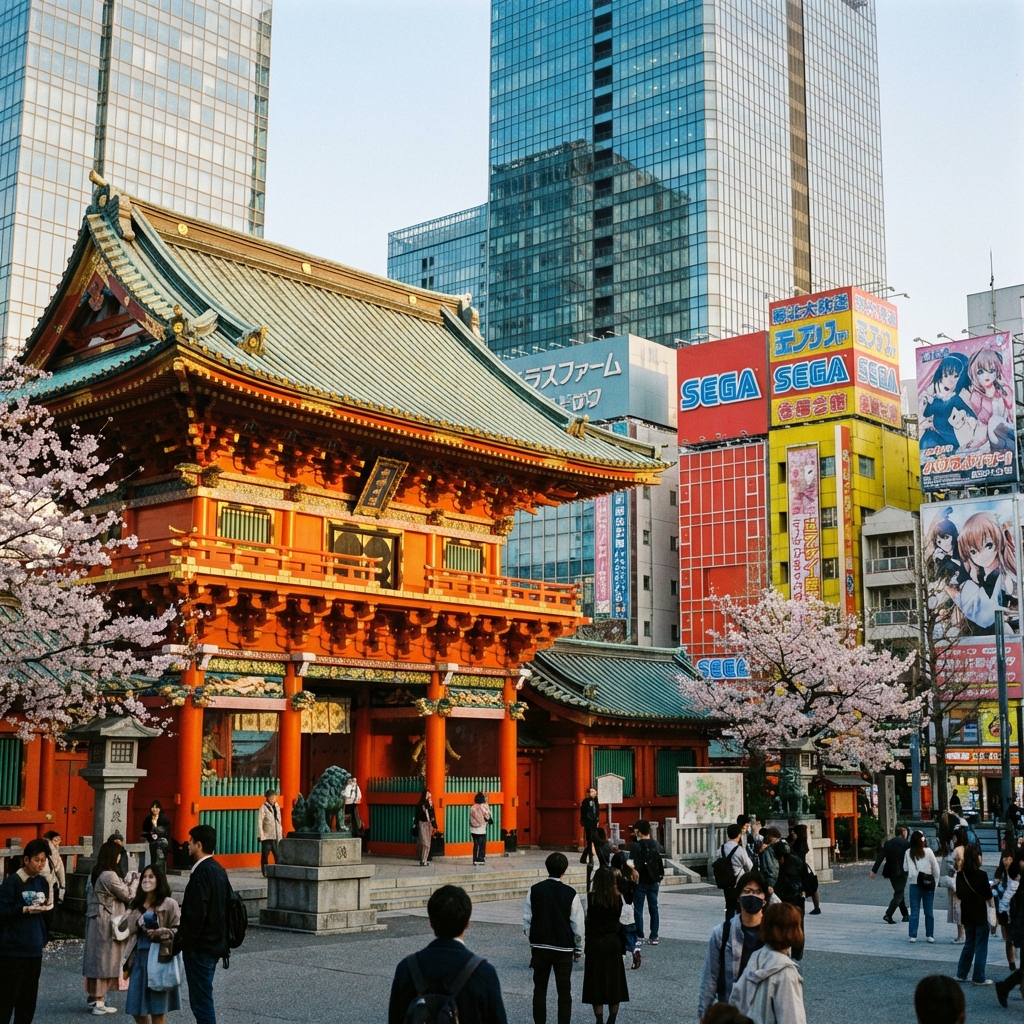
This 1,300-year-old shrine has embraced modern Tokyo, offering IT safety amulets and anime-themed ema tablets. A must-visit for tech workers and otaku culture fans alike.
4. Yasukuni Shrine (靖国神社) - Chiyoda
Best For: Cherry blossoms, history, war memorial museum
Access: Kudanshita Station (5 min walk)
Controversial yet significant, Yasukuni enshrines Japan's war dead. The grounds feature Tokyo's "official" cherry blossom tree used to announce spring, plus an extensive war museum.
5. Hie Shrine (日枝神社) - Akasaka
Best For: Unique escalator access, business luck, monkey statues
Access: Tameike-sanno Station (3 min walk)
📸 Photo Spot: The "tunnel of stairs" lined with red torii gates at the back entrance.
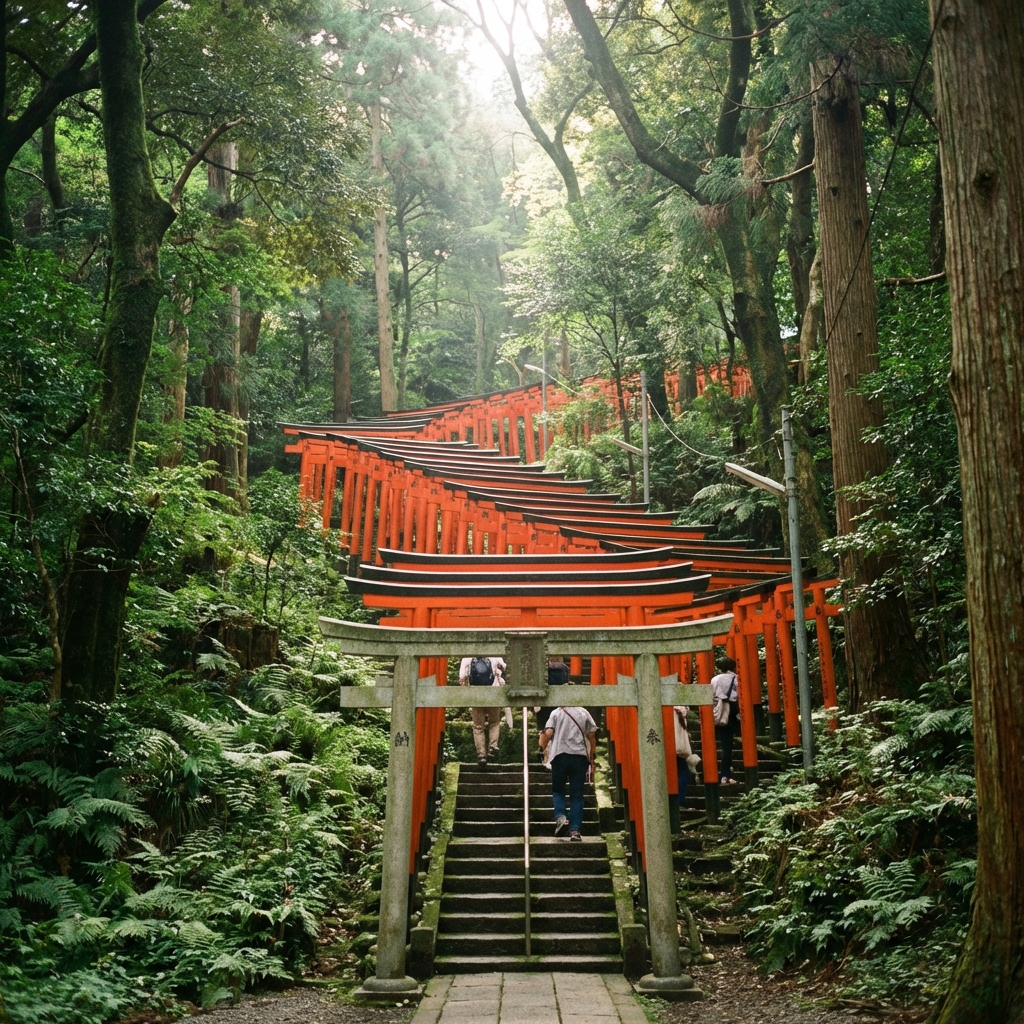
This hillside shrine in the political heart of Tokyo features monkey guardian statues (instead of the usual komainu dogs) and an escalator to the top—perfect for hot summer days!
6. Yushima Tenmangu (湯島天満宮) - Ueno
Best For: Academic success, plum blossoms, students
Access: Yushima Station (2 min walk)
Dedicated to the god of learning, this shrine is packed with students before exams. Visit in February for stunning plum blossom displays.
7. Tokyo Daijingu (東京大神宮) - Iidabashi
Best For: Romance, marriage luck, solo travelers
Access: Iidabashi Station (5 min walk)
Known as "Tokyo's Ise Shrine," this is THE shrine for love luck. Popular with young women seeking romantic blessings and famous for beautiful love amulets.
8. Nogi Shrine (乃木神社) - Nogizaka
Best For: Idol fans, quiet atmosphere, historic house
Access: Nogizaka Station (1 min walk)
A peaceful shrine near Roppongi, dedicated to General Nogi. Also popular with fans of Nogizaka46 idol group. Includes the general's preserved residence.
9. Hikawa Shrine (氷川神社) - Akasaka
Best For: Traditional atmosphere, ginkgo trees, modern art
Access: Akasaka Station (8 min walk)
Dating back over 1,000 years, this shrine offers a rare pocket of greenery in central Tokyo. Famous for its autumn ginkgo trees and monthly art markets.
10. Togo Shrine (東郷神社) - Harajuku
Best For: Victory prayers, flea market, hidden gem
Access: Harajuku Station (5 min walk)
While tourists crowd Meiji Shrine, this hidden shrine in Harajuku stays blissfully quiet. Dedicated to Admiral Togo, it's popular for sports and exam success prayers. Visit the famous Sunday antique market.
11. Tomioka Hachiman Shrine (富岡八幡宮) - Fukagawa
Best For: Sumo fans, Edo atmosphere, water-throwing festival
Access: Monzen-nakacho Station (3 min walk)
Known as the birthplace of Sumo wrestling. You can see the huge stone monuments with the names of all Yokozuna (grand champions) carved into them. The summer festival involves throwing water on portable shrines and is wildly energetic.
12. Suitengu (水天宮) - Nihonbashi
Best For: Safe childbirth, pregnancy prayers, modern architecture
Access: Suitengu-mae Station (1 min walk)
This shrine is dedicated to safe childbirth. Expectant mothers and families with newborns flock here. Interestingly, the main building is built on top of a modern earthquake-proof structure, showing how Shinto adapts to the times.
Shrine Visiting Tips for Tokyo
- 🌸 Best Season: Spring (March-April) for cherry blossoms, autumn (November) for colors
- ⏰ Best Time: Early morning for fewer crowds at popular shrines
- 📿 Collect Goshuin: Get beautiful calligraphy stamps as souvenirs (¥300-500)
- 🎫 Free Admission: Almost all shrines are free to enter
- 👞 Dress Code: No specific requirements, but modest dress is respectful
"Tokyo's shrines offer the perfect counterpoint to its modern energy. Take time to find these pockets of peace."
Explore More Japanese Shrines
Discover shrines across Japan and learn proper etiquette before your visit.
Browse All Shrines →After your prayer, you may receive a message or have the chance to draw an Omikuji (fortune slip) to guide your path forward.
Naminoue Shrine in Okinawa
Experience authentic Japanese shrine practice online. Perform virtual sanpai rituals and receive spiritual blessings.
Begin Your Shrine Experiencesacred shrine forests

February 16, 2026
Matsuri: The Ultimate Guide to Japan's Sacred Chaos
Japanese festivals are not just parties; they are sacred chaos. They are the one time of year when humans and gods drink, dance, and shout together. From carrying 1-ton portable shrines to eating Takoyaki, understand the deep spiritual structure of Matsuri.

February 15, 2026
Sensoji vs. Meiji Shrine: The Ultimate Tokyo Showdown
Tokyo's two spiritual giants offer completely different vibes. Sensoji (Asakusa) is the loud, colorful heart of Old Edo Buddhist culture. Meiji Shrine (Harajuku) is the serene, green soul of Modern Shinto. Which one should you visit? (Spoiler: Both, and here is exactly why).

February 13, 2026
Sacred Nature: Finding Kami in Trees and Rocks
Why do Japanese people bow to giant trees? What is the rope around that rock? Discover the roots of Shinto Animism, the concept of 'Shinboku' (Sacred Trees), and how nature itself is revered as divine.