Explore Japanese Shrines
Discover our collection of authentic Japanese shrines.
Loading...
 Kami Shrine Home
Discover our collection of authentic Japanese shrines.

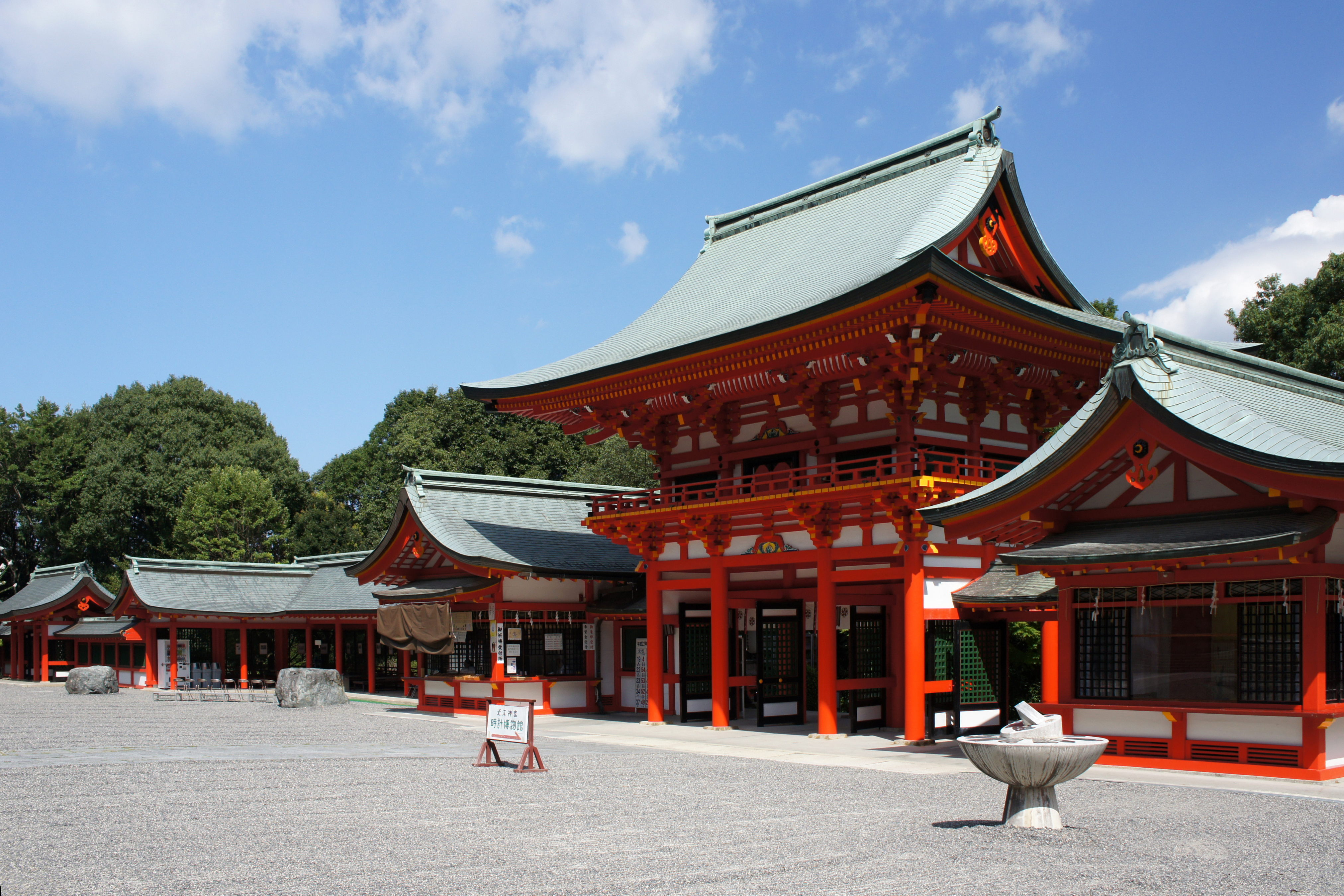
Dedicated to the child Emperor Antoku who perished in the Battle of Dan-no-ura. Its bright red 'Suitenmon' gate resembles the Dragon Palace.

Located near Takachiho, this shrine worships the 'Amano Iwato' cave where Amaterasu omikami hid. Nearby is 'Amanoyasugawara', a riverside cave where millions of gods gathered to discuss how to bring her back out.

World-famous for its iconic view combining Mount Fuji, a five-storied pagoda, and cherry blossoms in one frame.

Located in Nagoya, Atsuta Jingu is the second most prestigious shrine after Ise Jingu due to housing the Kusanagi-no-Tsurugi (Grass-Mowing Sword), a symbol of the Imperial throne.

One of the most popular shrines in Japan, attracting millions of students praying for exam success. Built over the grave of Sugawara no Michizane, a brilliant scholar and politician of the Heian period.

A center of Shugendo mountain asceticism in Yamagata, the Dewa Sanzan are three sacred mountains, each with a shrine representing a different aspect of life and the afterlife.

Dewa Sanzan refers to the three sacred mountains: Mt. Haguro (Birth), Mt. Gassan (Death), and Mt. Yudono (Rebirth). The Sanjin Gosaiden at Mt. Haguro enshrines deities from all three.

A complex of three shrines (Hetsunomiya, Nakatsunomiya, Okutsunomiya) located on the scenic island of Enoshima. One of Japan's Three Great Benzaiten Shrines.

The head shrine of over 1,300 Sengen shrines nationwide and the center of Mt. Fuji worship. Part of a World Heritage Site.

Kyoto's iconic head shrine of Inari, the kami of rice and business, famed for its mesmerizing network of thousands of vermilion torii gates that snake up a sacred mountain.

A picturesque shrine nestled in a dense forest on the shore of Lake Ashi, known for its stunning torii gate in the water which perfectly frames Mt. Fuji on a clear day.

Built in 1895 to celebrate Kyoto's 1,100th anniversary, Heian Shrine recreates the grandeur of the original Imperial Palace from the Heian period, featuring one of the largest torii gates in Japan.

Located in Akasaka near Japan's National Diet, Hie Shrine protects the political center of Tokyo. Its famous stone stairway lined with red torii gates offers a striking contrast to the surrounding modern cityscape.

Musashi Ichinomiya Hikawa Shrine in Saitama is the head shrine of over 280 Hikawa shrines across the Kanto region. With its ancient cedars and serene atmosphere, it is a place of deep spiritual power.

The head shrine of all Hiyoshi, Sanno, and Hie shrines. Located at the foot of Mt. Hiei, famous for its divine 'Masaru' monkeys that ward off evil.

Established in 1869 by order of Emperor Meiji to protect the development of Hokkaido. It is the most important shrine in Hokkaido and a popular spot for cherry blossom viewing.

One of the oldest shrines in Japan, Ikuta Shrine in the heart of Kobe is famous for its connection to the founding of Japan and as a powerful spot for love and relationship blessings.

Affectionately known as 'Ebessan', dedicated to the god of business. The Toka Ebisu festival in January draws over a million seeking prosperity.

The most venerated Shinto shrine in Japan, Ise Jingu in Mie Prefecture is the spiritual home of the Japanese people and the ancestral shrine of the Imperial Family.

One of the oldest shrines in Japan, Isonokami Jingu originally served as a storehouse for sacred weapons. Today it is famous for its peaceful atmosphere and the free-roaming sacred chickens.

Itsukushima Shrine is a UNESCO World Heritage Site famous for its iconic torii gate that appears to float on the water at high tide. Located on the sacred island of Miyajima, it is considered one of Japan's three most scenic views.

An ancient shrine at the foot of Mount Iwaki, the most prominent peak in the Tsugaru region. The mountain has been worshipped as a sacred site since time immemorial.

Located on Mount Otokoyama south of Kyoto, this majestic shrine is dedicated to Hachiman, the god of war and protector of the nation. It is a National Treasure.

One of Japan's most ancient and important shrines, Izumo-taisha in Shimane Prefecture is dedicated to the kami of relationships, matchmaking, and nation-building.

Paired with Shimogamo Shrine as the 'Kamo Shrines', this UNESCO World Heritage site guards the north of Kyoto. It is famous for its purification rituals and the distinctive 'Tatesuna' sand mounds.

The site where the Kumano gods first descended. Worships a massive rock 'Gotobiki-iwa' on a cliff, accessible via steep stone steps.

A rare and ancient shrine in Saitama that preserves a primitive form of Shinto. It has no main hall ('honden') because the mountain behind it, Mt. Mimuro, is revered as the kami's body.

A 1,300-year-old shrine that uniquely blends deep tradition with modernity, acting as the spiritual guardian for the electronics mecca of Akihabara and Tokyo's business districts.

A grandiose shrine established in 1890 on the legendary site of the palace of Emperor Jimmu, the first Emperor of Japan. The vast grounds symbolize the foundation of the nation.

Revered as the starting point of the eastern provinces, Kashima Jingu is dedicated to Takemikazuchi, the powerful warrior god who subdued the land. Its ancient forest and sacred deer are legendary.

A UNESCO World Heritage site located in Nara Park. Famous for its thousands of bronze and stone lanterns donated by worshippers over centuries, and the wild deer that roam freely as messengers of the gods.

One of the three great shrines of Eastern Japan (Togoku Sansha), Katori Jingu sits peacefully in a dense forest. It is dedicated to Futsunushi, a sword god who pacified the land alongside Takemikazuchi.
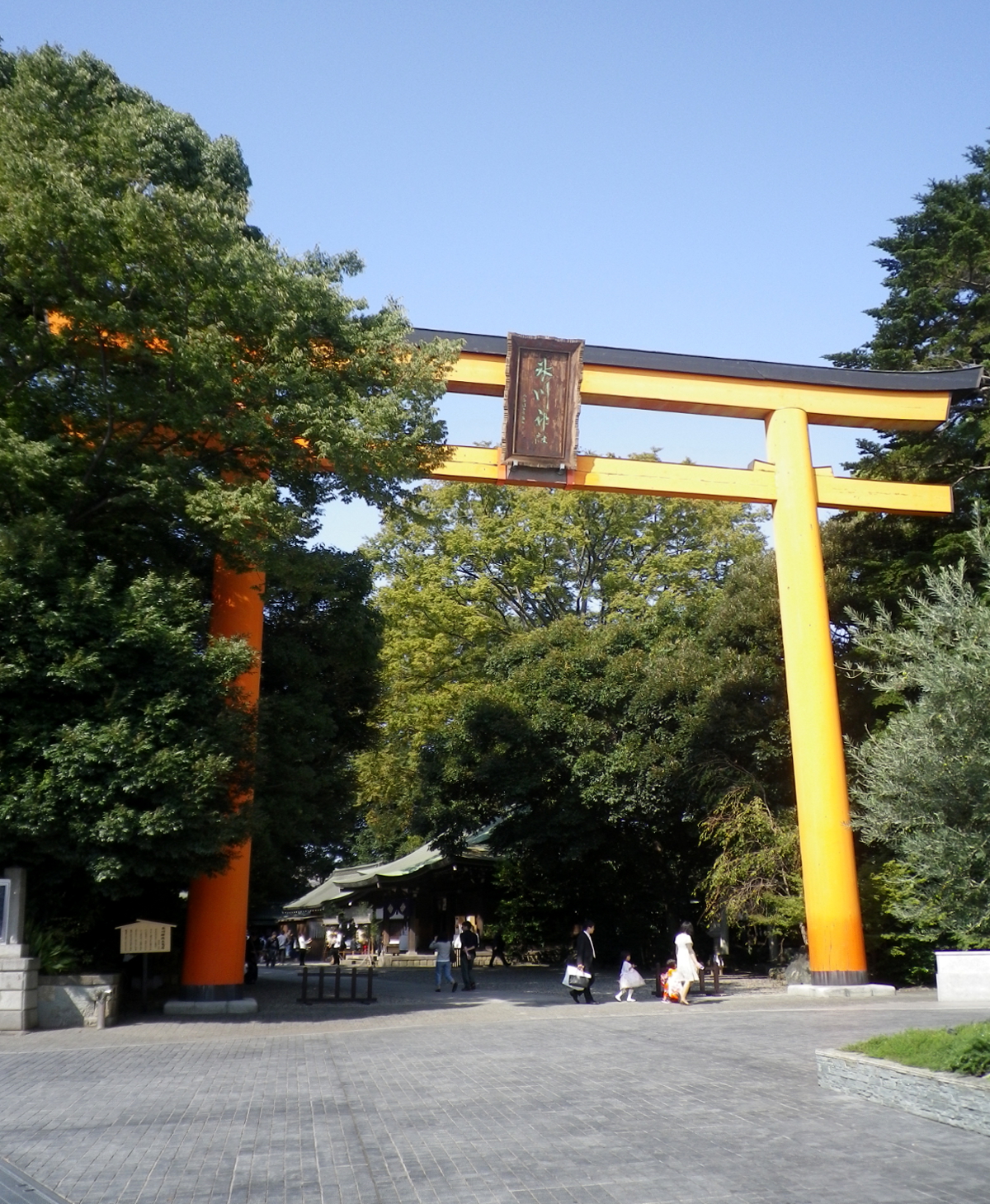
A 1,500-year-old shrine in 'Little Edo' Kawagoe, famous for worshiping a family of gods, making it a powerful spot for marriage and family luck. The summer 'Wind Chime Festival' is iconic.

Guardian shrine of the Hokuriku region, featuring one of Japan's three great wooden Torii gates. A historical site visited by poet Matsuo Basho.

Associated with the legend of Momotaro. Features a National Treasure main hall and a stunning 360-meter long wooden corridor.

Nestled deep in the mountains north of Kyoto, Kifune Shrine is dedicated to the god of water. The stone steps lined with red lanterns are one of Kyoto's most iconic photo spots.

A beautiful shrine located at the foot of Mt. Kirishima. It is dedicated to Ninigi-no-Mikoto, who descended from heaven to this mountain range. The shrine is famous for its connection to Japan's founding mythology and Sakamoto Ryoma's honeymoon.

The main shrine dedicated to Sugawara no Michizane, the god of learning. Students from all over Japan flock here to pray for success in exams. Famous for its plum blossoms.

Affectionately known as 'Konpira-san', this shrine sits halfway up Mt. Zozu. Known for its challenging long stone staircase, it has been a mecca for pilgrims since the Edo period.

Situated at the mouth of the Kumano River, this shrine represents purity and youthfulness. Together with Hongu and Nachi, it forms the Kumano Sanzan. It is famous for its giant sacred Nagi tree.

The head shrine of the Kumano Sanzan (Three Grand Shrines) and the center of the Kumano faith. Located deep in the misty Kii Mountains, pilgrims have trekked here for centuries seeking salvation and rebirth.

A key shrine on the ancient Kumano Kodo pilgrimage trails, Nachi Taisha is part of a UNESCO World Heritage site and offers stunning views of the 133-meter Nachi Falls.

The guardian shrine of Hakata, beloved as 'Okushida-san'. Home to the famous Hakata Gion Yamakasa festival floats displayed year-round.

One of Kyoto's oldest shrines, renowned as the patron of sake brewing. The sacred spring 'Kame no I' acts as a blessing for brewers.

A remarkable shrine dedicated to the deified spirits of Emperor Meiji and Empress Shoken, who guided Japan through its rapid modernization. The shrine is a striking contrast to the hyper-modern city that surrounds it.

The top-ranking shrine of Izu. Famously where Minamoto no Yoritomo prayed for and achieved the restoration of his clan, making it a powerful spot for victory.

Located high in the mountains of Chichibu, Saitama, this shrine is famous for worshipping wolves as divine messengers and is considered one of the strongest 'power spots' in Kanto.

Famous for the 'Path of Light' where the sunset illuminates the temple path, and for possessing Japan's largest Shimenawa rope.

The most important shrine in Iwate Prefecture, established in the early 17th century to protect the castle town of Morioka. Famous for its connection to the Nanbu clan samurai culture.

A relatively new shrine in Yamaguchi, Motonosumi has become world-famous for its incredibly scenic location, where a tunnel of red gates snakes down a green cliff face to the Sea of Japan.

Aso Shrine in Kumamoto Prefecture is one of the oldest and most important shrines in Kyushu, dedicated to the deities associated with the massive Mount Aso volcano.

Head shrine of roughly 6,000 Munakata shrines. It comprises three shrines: Hetsu-gū (mainland), Nakatsu-gū (Oshima island), and Okitsu-gū (Okinoshima island). The entire complex is a UNESCO World Heritage site centered on ancient rituals.

Famous for its massive lion head stage standing 12m tall. Believed to swallow evil spirits and bring good luck and victory.

Naminoue-gu ('Shrine Above the Waves') is the most important Shinto shrine in Okinawa, serving as the spiritual guardian for the people of the Ryukyu Islands for centuries.

One of Tokyo's oldest shrines, Nezu Shrine is famous for its stunning display of azaleas in spring and its long corridor of vermilion torii gates, rivaling that of Kyoto's Fushimi Inari.

Part of the UNESCO World Heritage site of Nikko, this shrine dates back far before Toshogu, worshipping the mountains themselves. It is famous for the beautiful Shinkyo Bridge and blessings for marriage.

A stunningly lavish and ornate shrine complex in Nikko, a stark contrast to the simple aesthetic of most shrines. It is the final resting place of Tokugawa Ieyasu, the shogun who unified Japan.

The head shrine of all Ebisu shrines in Japan. Famous for the 'Lucky Man Run' held every January where thousands sprint to the main hall.

Famous for its 'Kamiiso no Torii' standing on rocks in the Pacific Ocean. The sunrise viewed through the torii amidst crashing waves is breathtaking.

Located in Fuchu, the ancient capital of Musashi Province, this shrine combines the spirits of six major local shrines. It is famous for the mystifying 'Kurayami Matsuri'.

While part of a Buddhist temple complex on the sacred Mt. Koya, Okunoin has a deeply spiritual, shrine-like atmosphere. It is the site of the mausoleum of Kobo Daishi, the founder of Shingon Buddhism.

Considered the oldest existing shrine in Japan, Omiwa Shrine has no main hall because the deity is the mountain itself (Mt. Miwa). It is a powerful spot for Sake brewers and medicine.

A National Treasure shrine established by Date Masamune. Known as a masterpiece of Momoyama architecture with its dazzling and luxurious design.

Locally known as 'Afuri-yama' (Rainfall Mountain), this shrine sits on Mount Oyama. It has been a popular pilgrimage destination since the Edo period ('Oyama-mairi') and offers stunning views.

Dedicated to Lord Maeda Toshiie. Famous for its unique 'Shinmon' gate, a fusion of Japanese and Western styles with stained glass.

Situated in Kanagawa, Samukawa Shrine is a prestigious ancient shrine famous for 'Happo-yoke', a unique blessing that neutralizes bad luck coming from any direction and turns it into good fortune.

Dedicated to Abe no Seimei, the legendary Onmyoji (yin-yang master). Known for powerful protection against evil and the ubiquitous pentagram symbol.

While technically a Buddhist temple, Senso-ji in Asakusa, with its adjacent Shinto shrine, embodies the syncretic soul of Japanese faith. It is Tokyo's most famous and beloved temple.

One of the oldest shrines in Kyoto and a UNESCO World Heritage site, set within a primeval forest. Famous for its purification rituals and strong blessings for relationships.

Looking out over Matsushima Bay (one of Japan's three scenic views), this ancient shrine honors the god of salt making. It has been deeply revered by fishermen and pregnant women for safe childbirth.

The head shrine of Mount Hakusan worship, one of Japan's three sacred mountains. This ancient shrine is dedicated to the goddess Shirayama Hime and is known for blessings of matchmaking and safe journeys.

An old, quiet shrine in a misty bamboo forest, where worshippers pray not for fortune, but for clarity on their path and connections with others.

One of Japan's oldest shrines, founded in the 3rd century. It is the head of over 2,000 Sumiyoshi shrines dedicated to the gods of the sea and safe travel. The 'Sumiyoshi-zukuri' architecture is a national treasure.

The main shrine of Nagasaki, perched on a hill overlooking the harbor. Famous for its spectacular Kunchi Festival, a fusion of Chinese and Japanese culture.

One of Japan's oldest shrines, consisting of four separate complexes around Lake Suwa. Famous for the Onbashira Festival held every seven years.

The head shrine of the Suwa network of 10,000+ shrines. It consists of four shrine complexes located around Lake Suwa: Kamisha (Upper Shrine) consisting of Honmiya and Maemiya, and Shimosha (Lower Shrine) consisting of Harumiya and Akimiya.

A mystical shrine in the mountainous Takachiho region of Miyazaki, the legendary site where the kami descended from the heavens to create Japan, as told in the Kojiki.

Located deep in the mountains at 1076m altitude. Known as a mystical hidden shrine that 'only those summoned by the gods can reach'.

One of Japan's three great Benzaiten shrines. A mystical site revered by artists and performers as a powerful spiritual spot for talent.

Tucked away in a forest of silver-leafed trees, this shrine is a labyrinth of silk ribbons and ancient looms.

Located deep within a perpetual glacier, this shrine is accessible only during the rarest of lunar alignments. It is dedicated to the ancient dragon of silence and ice.

Perched atop a needle-thin mountain peak above the clouds, this shrine serves as a bridge between the heavens and the earth.

This shrine's main hall rests perfectly preserved in the crystal-clear waters of a caldera lake. Visitors pray from boats on the surface, offering flowers that drift down to the silent world below.

This unique shrine resembles a vast, ancient library. Its hallowed halls are lined with countless scrolls and books, each containing a story in danger of being lost.

A mystical complex of five shrines hidden in the forests of Nagano, linked to one of Japan's most important myths: the return of the sun goddess Amaterasu.

A Shinto shrine in Harajuku dedicated to Admiral Togo Heihachiro, the hero of the Russo-Japanese War. It is a popular spot for those seeking victory in competitions and exams.

Known affectionately as 'O-Ise-sama in Tokyo', this shrine allows people to worship the deities of Ise Jingu without traveling to Mie. It is incredibly popular for matchmaking (enmusubi).

One of Japan's oldest shrines and the primary shrine for Sarutahiko Okami, the deity who guides people on the right path. Located at the foot of Mount Suzuka.

The most important shrine in the historic city of Kamakura, Tsurugaoka Hachimangu is dedicated to Hachiman, the patron god of the samurai and the Minamoto clan.

A quiet, historic shrine located across the river from Byodoin Temple. Its main hall dates back to the Heian period (c. 1060), making it the oldest existing Shinto shrine structure.

Known affectionately as 'Oyahiko-sama', this ancient top-ranking shrine of Echigo province is surrounded by a vast sacred forest.

Affectionately called 'Gion-san', this shrine sits at the east end of Shijo-dori, watching over the Gion district. It is the host of the Gion Matsuri, Japan's most famous festival.

Located in central Tokyo, Yasukuni Shrine is dedicated to the spirits of approximately 2.5 million men, women, and children who have died in service of Japan in conflicts since 1869.

Located on Mt. Yoshida. Famous for its Setsubun festival. Its 'Daigen-gu' enshrines all the gods of Japan, offering universal blessings.

Dedicated to the god of learning, this shrine is often buried under layers of wooden 'ema' plaques written by students praying for exam success. Its plum blossoms are legendary.

Often compared to Kyoto's Kiyomizu Temple for its wooden platform structure built on steep pillars. It is one of the three most famous Inari shrines in Japan, known for its vivid vermilion architecture.
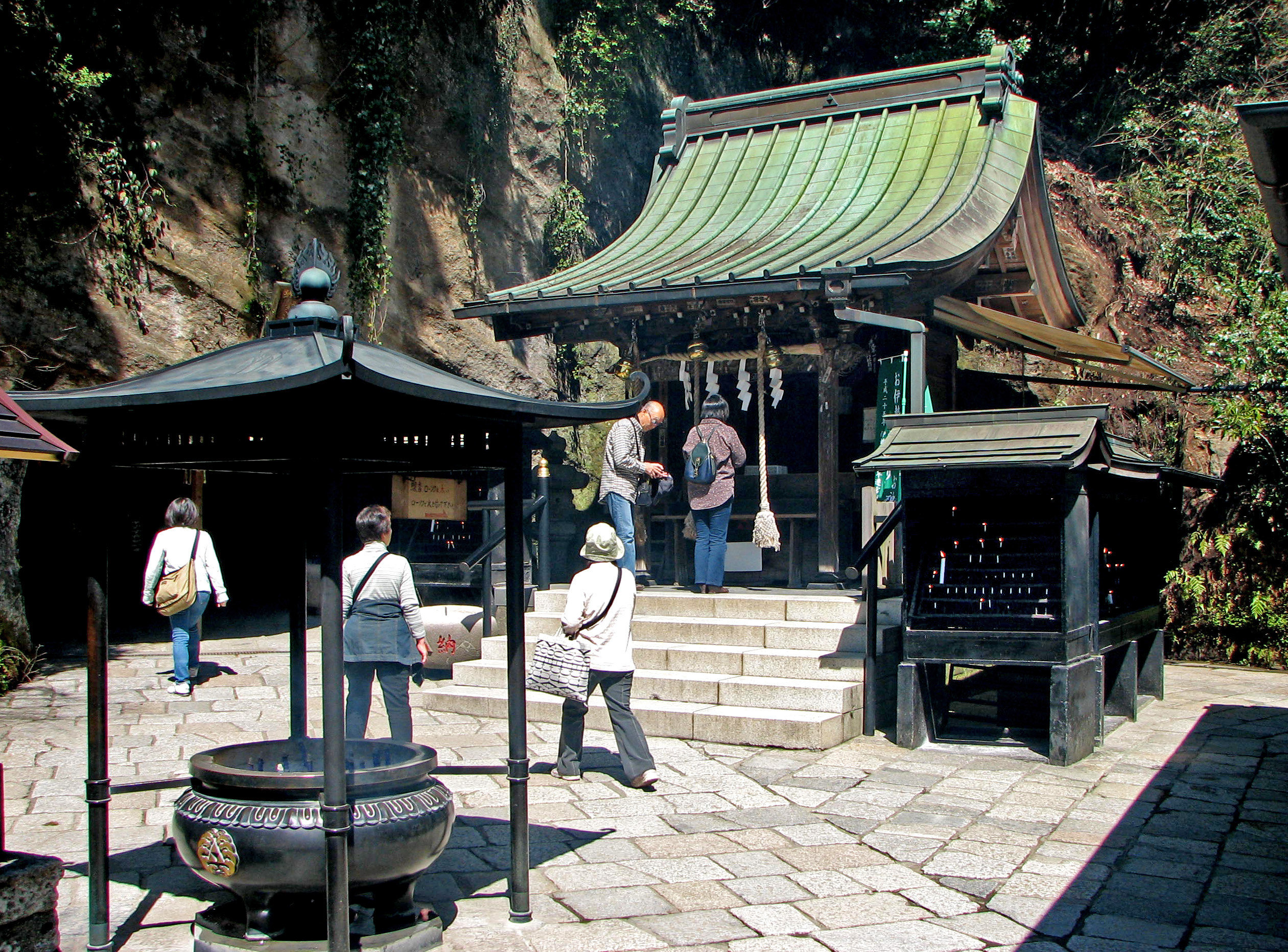
A unique shrine hidden within a cave in Kamakura. It is famous for its 'money-washing water', where visitors wash their coins and bills in hopes of doubling their fortune.