
Itsukushima Shrine Miyajima: Complete Guide to the Floating Torii Gate (2026)
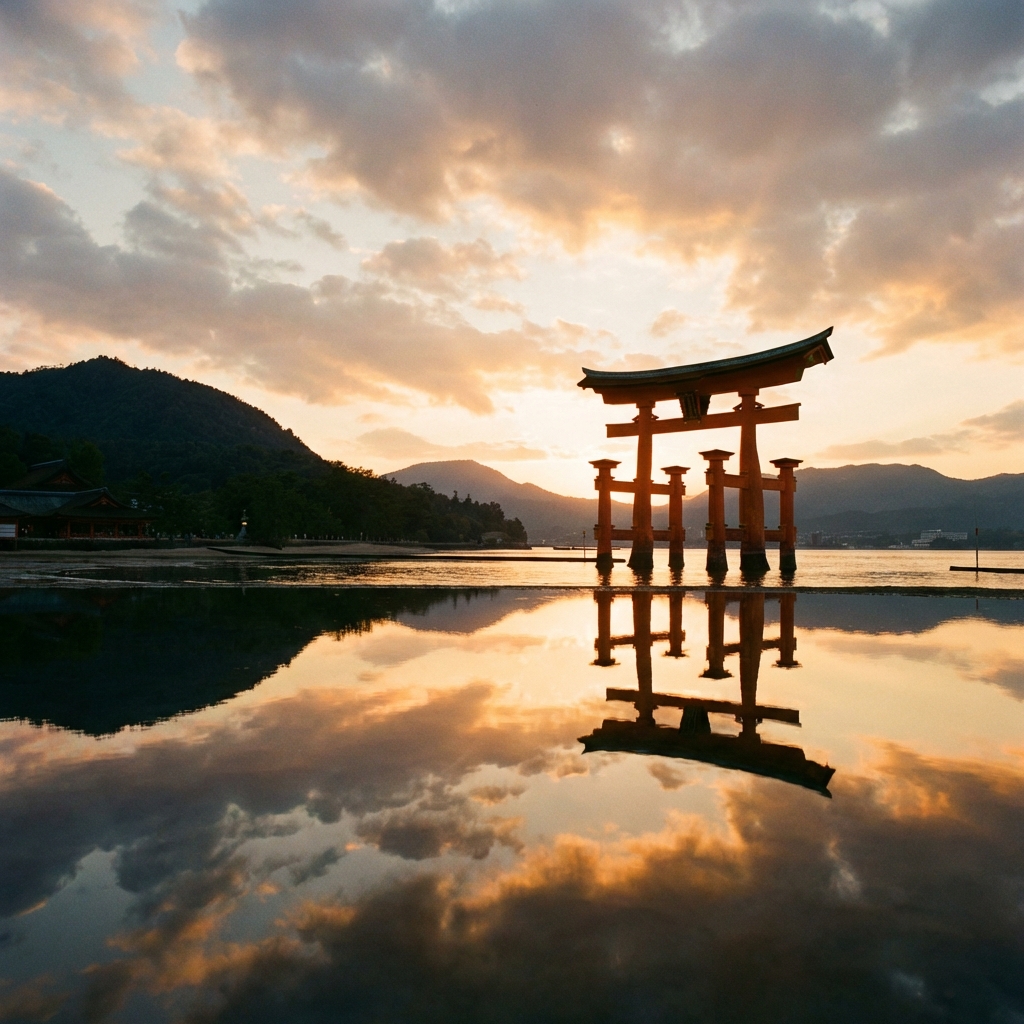
Itsukushima Shrine (厳島神社) on Miyajima Island is one of Japan's most iconic UNESCO World Heritage sites, famous for its "floating" vermillion torii gate that appears to drift on water at high tide. This architectural marvel has been a sacred site for over 1,400 years.
Quick Facts: Itsukushima Shrine
- 📍 Location: Miyajima Island, Hatsukaichi, Hiroshima Prefecture
- 🚃 Access: Ferry from Miyajimaguchi (10 min), then 10-min walk
- ⏰ Hours: 6:30-18:00 (may vary by season)
- 💰 Admission: ¥300 (Shrine), ¥500 (Treasure Hall)
- ⏱️ Visit Duration: 2-3 hours (island: full day)
- 🌊 Torii Height: 16.6 meters
The Floating Torii Gate: A Portal Between Worlds
The great torii gate of Itsukushima is one of Japan's "Three Great Views" (Nihon Sankei). Built in its current form in 1168 by the powerful warlord Taira no Kiyomori, the gate has been rebuilt several times, with the current version dating to 1875.
Why build it in the water? In ancient times, the entire island of Miyajima was considered kami—so sacred that commoners were not allowed to set foot on it. The torii gate was built in the water to allow pilgrims to approach the shrine by boat, passing through the gate without defiling the holy land.
Tide Dynamics
The gate creates two dramatically different experiences depending on the tide:
🌊 High Tide Experience
- • Gate appears to float on water
- • Shrine buildings over the sea
- • Best for classic photos
- • Kayak tours available
🚶 Low Tide Experience
- • Walk directly to the gate
- • Touch the massive pillars (camphor wood)
- • See oysters on the base
- • Unique perspective photos

Architecture and History
Shinden-zukuri Style
The shrine complex is a prime example of Shinden-zukuri, the architectural style of Heian period aristocrats. It resembles a noble's palace rather than a typical shrine. The long, winding corridors (Kairo) connect the buildings like bridges. Notice the floorboards: they have small gaps between them (`sukima`) to allow high waves to drain out during storms, preventing the shrine from collapsing.
The Three Goddesses
Itsukushima enshrines the Munakata Sanjoujin, three sea goddesses born from a pact between Amaterasu and Susanoo. They are guardians of maritime safety. Taira no Kiyomori, aiming to control trade routes, adopted them as the guardian deities of his clan (the Heike), elevating this local shrine to national fame.
What to See at Itsukushima Shrine
1. Main Shrine Complex (Honden)
A stunning vermillion structure built over the water. It is the only shrine in Japan built where the tide rises and falls beneath the floor.
2. Noh Stage
The only Noh theater stage over water in Japan. It was built in 1568. The sound of the waves provides natural acoustics during performances.
3. Five-Story Pagoda (Gojū-no-tō)
A beautiful 27.6m pagoda standing on a hill nearby. It blends Japanese and Chinese styles and is a designated National Treasure.
4. Senjokaku (Hall of 1000 Mats)
Commissioned by Toyotomi Hideyoshi, this massive wooden hall was left unpainted and unfinished when he died. It offers a cool, breezy view and a sense of raw history.
Unique Experiences on Miyajima
🦌 The Sacred Deer
You will be greeted by wild deer as soon as you exit the ferry terminal. Unlike Nara's bowing deer, Miyajima deer are considered divine messengers but are not fed by tourists (please do not feed them!). Keep an eye on your map or tickets—they love to eat paper.
🥠 The "Strict" Omikuji
Itsukushima Shrine is famous for having a high percentage of "Kyo" (Bad Luck) fortunes in its Omikuji boxes. This is not to curse you, but to offer strict guidance. If you draw a "Bad Luck," simply tie it to the designated strings and leave the bad luck there. It is a reminder to be humble and careful.
🍁 Momiji Manju
Don't leave without trying Momiji Manju, maple-leaf-shaped cakes filled with red bean paste, custard, or chocolate. You can even find deep-fried versions (`Age-momiji`) which are delicious.
Getting to Miyajima
- From Hiroshima Station: Take the JR Sanyo Line to Miyajimaguchi Station (27 min), then transfer to the JR Ferry (10 min). The JR Ferry is included in the Japan Rail Pass and takes a route that passes closer to the Torii gate for photos.
- From Hiroshima Peace Park: The "World Heritage Sea Route" ferry connects the Atomic Bomb Dome directly to Miyajima in 45 minutes (approx. ¥2,200).
- From Osaka: Take the Shinkansen to Hiroshima Station (80 min), then transfer as above.
Practical Tips
- 📅 Check tide times: The Japan Meteorological Agency website offers accurate tide forecasts. Aim for High Tide for photos, Low Tide for walking.
- 🏨 Stay overnight: Miyajima is crowded by day but magical at night. Staying at a ryokan allows you to see the illuminated shrine in silence.
- ⛰️ Mt. Misen: Take the ropeway (or hike) to the top of Mt. Misen for a stunning view of the Seto Inland Sea.
"Standing before the floating torii as the sun sets, you understand why this place has been considered sacred for over a millennium. It is where the divine meets the human world."
Discover More Sacred Shrines
Explore other iconic Japanese shrines and learn about the spiritual traditions that make places like Itsukushima so special.
Explore Shrines →After your prayer, you may receive a message or have the chance to draw an Omikuji (fortune slip) to guide your path forward.
Naminoue Shrine in Okinawa
Experience authentic Japanese shrine practice online. Perform virtual sanpai rituals and receive spiritual blessings.
Begin Your Shrine Experiencesacred shrine forests

February 16, 2026
Matsuri: The Ultimate Guide to Japan's Sacred Chaos
Japanese festivals are not just parties; they are sacred chaos. They are the one time of year when humans and gods drink, dance, and shout together. From carrying 1-ton portable shrines to eating Takoyaki, understand the deep spiritual structure of Matsuri.

February 15, 2026
Sensoji vs. Meiji Shrine: The Ultimate Tokyo Showdown
Tokyo's two spiritual giants offer completely different vibes. Sensoji (Asakusa) is the loud, colorful heart of Old Edo Buddhist culture. Meiji Shrine (Harajuku) is the serene, green soul of Modern Shinto. Which one should you visit? (Spoiler: Both, and here is exactly why).

February 13, 2026
Sacred Nature: Finding Kami in Trees and Rocks
Why do Japanese people bow to giant trees? What is the rope around that rock? Discover the roots of Shinto Animism, the concept of 'Shinboku' (Sacred Trees), and how nature itself is revered as divine.