
Meiji Shrine Tokyo: Complete Guide to Japan's Most Important Shinto Shrine (2026)
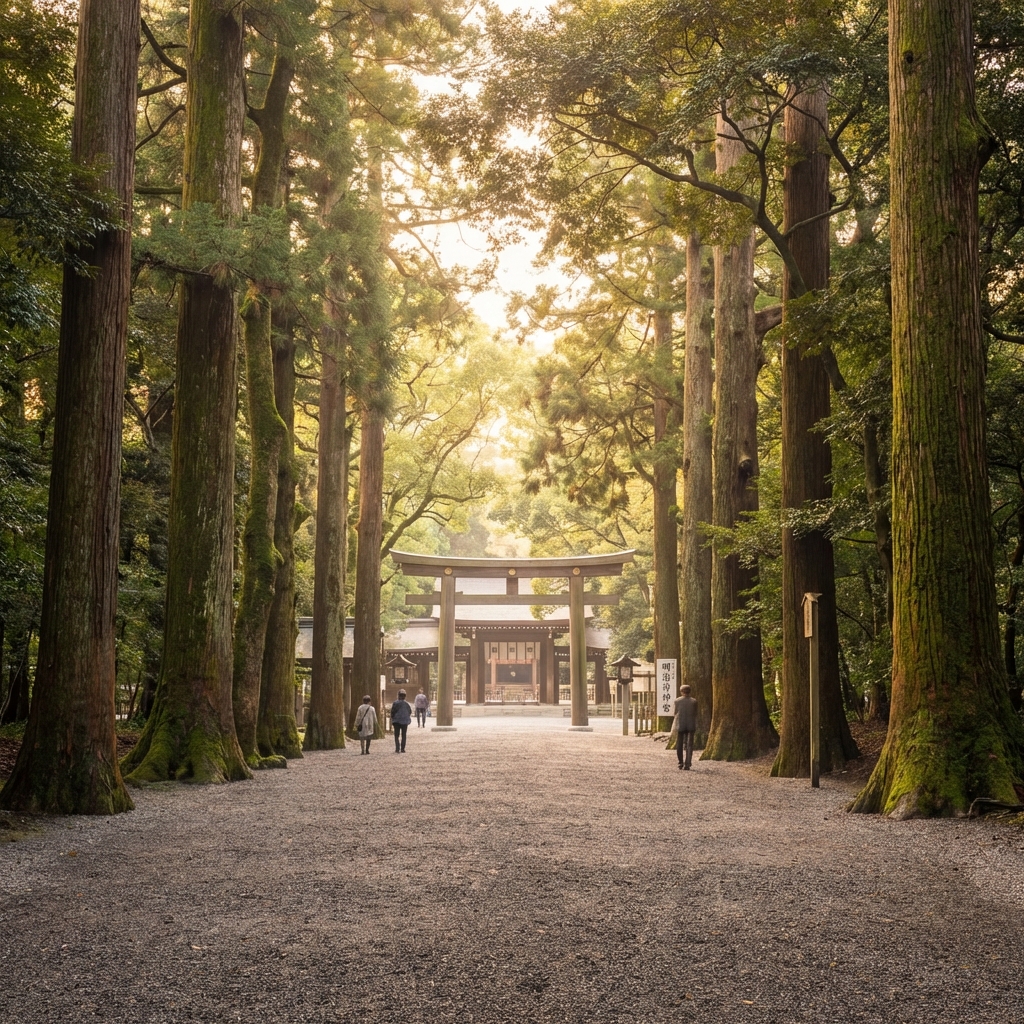
Meiji Shrine (明治神宮, Meiji Jingū) is Tokyo's most significant Shinto shrine, dedicated to the deified spirits of Emperor Meiji and Empress Shoken. Set within a 170-acre forest in the heart of Shibuya, it offers a profound escape from Tokyo's urban chaos and a window into Japan's imperial spiritual heritage.
Quick Facts: Meiji Shrine
- 📍 Location: 1-1 Yoyogikamizonocho, Shibuya-ku, Tokyo
- 🚃 Access: JR Harajuku Station (Takeshita Exit) or Metro Meiji-jingumae Station
- ⏰ Hours: Sunrise to Sunset (varies seasonally, typically 6:00-16:30)
- 💰 Admission: Free (Inner Garden ¥500, Museum ¥1,000)
- ⏱️ Visit Duration: 1-2 hours
- 🌳 Forest Area: 170 acres (70 hectares)
The Miracle Forest
What makes Meiji Shrine truly remarkable is its man-made forest. When the shrine was established in 1920, the area was a barren field. Over 100,000 trees from across Japan (and overseas) were donated and planted by 110,000 volunteers.
The vision was to create a "permanent forest" that would regenerate itself naturally without human intervention. Today, 100 years later, that vision has been realized. It is a dense, thriving ecosystem with endangered goshawks and raccoons living in the middle of one of the world's most dense cities. Walking the gravel path (`sando`) under these towering trees is a purification ritual in itself.

Omikuji Poetry (Waka)
Unlike other shrines that predict "Good Luck" or "Bad Luck," Meiji Shrine's omikuji (called Omigokoro) contain Waka poems written by the Emperor and Empress themselves. They offer moral guidance rather than fortune telling.
"As the vast sky stretches silently, so too should the human heart be wide and clear." - Emperor Meiji
What to See at Meiji Shrine
1. Grand Torii Gate (Ōtorii)
The shrine's iconic entrance gate stands 12 meters tall and is made from 1,500-year-old Japanese cypress from Taiwan. It's one of Japan's largest wooden torii gates. Passing under it signifies leaving the mundane world and entering sacred space.
2. Main Shrine (Honden)
The main worship hall with its copper roof and cypress wood construction is a masterpiece of "Nagare-zukuri" style architecture. Traditional Shinto wedding ceremonies are frequently held here—if you see a procession led by priests and miko with the bride in a white shiromuku kimono, quietly watch from the side. It is considered lucky to encounter a wedding!
3. Sake Barrels (Kazaridaru)
Rows of ornate sake barrels donated by breweries to the enshrined deities. On the opposite side, you'll find wine barrels from Burgundy, France. This unique pairing honors Emperor Meiji's progressive spirit and his enjoyment of Western culture (specifically wine) alongside Japanese tradition.
4. Meiji Jingu Inner Garden (Gyoen)
A beautiful traditional Japanese garden (¥500 admission) that existed here as a tea garden for the Imperial family before the shrine was built. It is famous for its iris garden which blooms in June. But its most famous spot is a "Power Spot"...
5. Kiyomasa's Well (Kiyomasa no Ido)
Located inside the Inner Garden, this well is said to have been dug by the legendary warlord Kato Kiyomasa. It is famous as a powerful spiritual "Power Spot." The clear spring water maintains a constant temperature of 15°C year-round. Many people visit to take a photo of the well as a lucky charm for their phone wallpaper.
6. Meiji Jingu Museum
Opened in 2019 and designed by star architect Kengo Kuma, this museum blends seamlessly into the forest. It displays personal treasures of the Emperor and Empress, including the carriage they rode in for the signing of the Japanese Constitution.
Best Times to Visit Meiji Shrine
✅ Best: Early Morning (Opening - 9:00 AM)
Peaceful atmosphere, morning light through the forest, fewer crowds.
⚠️ Special: New Year (Hatsumode)
Japan's #1 New Year shrine visit destination, attracting 3 million people in 3 days. Extremely crowded but culturally significant.
Explore Japanese Shrine Culture
Learn more about Shinto traditions, shrine etiquette, and the spiritual practices you'll encounter at Meiji Shrine and beyond. We hope your visit to this sacred forest brings you peace and inspiration.
How to Pray at Meiji Shrine
- Purify at the temizu: Wash your left hand, right hand, rinse your mouth, then wash left hand again.
- Approach the altar: Bow slightly before the offering box (Saisen-bako).
- Make an offering: Gently toss a coin. ¥5 is considered lucky (`go-en`).
- Bow twice: Deep bows, bending 90 degrees.
- Clap twice: Slide your right hand slightly back, clap loudly to signal the kami.
- Pray silently: Express gratitude and make your wish.
- Bow once: A final deep bow before leaving.
Nearby Attractions
- Takeshita Street: Famous for youth fashion, crepes, and pop culture (5-min walk).
- Omotesando: Upscale shopping avenue often called the "Champs-Élysées of Tokyo" (10-min walk).
- Yoyogi Park: Adjacent to the shrine. On Sundays, you might see rockabilly dancers.
Practical Tips
- 👟 Wear comfortable shoes: The gravel paths are beautiful but long (10-min walk from torii to main hall).
- 💐 Watch for weddings: Weekends often feature multiple wedding processions.
- 📝 Write an ema: Meiji Shrine has unique ema where you can write your wish in any language.
- ⏰ Check closing times: Gates close at sunset, so precise closing times change every month (e.g., 16:00 in Dec, 18:30 in Jun).
"Meiji Shrine offers something rare in Tokyo: complete stillness. Walking through its ancient forest, you forget you're in one of the world's largest cities."
After your prayer, you may receive a message or have the chance to draw an Omikuji (fortune slip) to guide your path forward.
Naminoue Shrine in Okinawa
Experience authentic Japanese shrine practice online. Perform virtual sanpai rituals and receive spiritual blessings.
Begin Your Shrine Experiencesacred shrine forests

February 16, 2026
Matsuri: The Ultimate Guide to Japan's Sacred Chaos
Japanese festivals are not just parties; they are sacred chaos. They are the one time of year when humans and gods drink, dance, and shout together. From carrying 1-ton portable shrines to eating Takoyaki, understand the deep spiritual structure of Matsuri.

February 15, 2026
Sensoji vs. Meiji Shrine: The Ultimate Tokyo Showdown
Tokyo's two spiritual giants offer completely different vibes. Sensoji (Asakusa) is the loud, colorful heart of Old Edo Buddhist culture. Meiji Shrine (Harajuku) is the serene, green soul of Modern Shinto. Which one should you visit? (Spoiler: Both, and here is exactly why).

February 13, 2026
Sacred Nature: Finding Kami in Trees and Rocks
Why do Japanese people bow to giant trees? What is the rope around that rock? Discover the roots of Shinto Animism, the concept of 'Shinboku' (Sacred Trees), and how nature itself is revered as divine.